Fortifying Against Cyber Sabotage: A 2026 Guide to Preemptive Defense
In an era where geopolitical tensions often translate into digital warfare, destructive cyberattacks—such as wipers, modified ransomware, and other malware designed to render systems inoperable—pose a severe threat. While such attacks are not everyday occurrences due to the risk of reprisal, they can be devastating when they happen. This guide answers essential questions about how organizations can proactively harden their defenses, focusing on practical, scalable measures that go beyond traditional security tools. From establishing crisis communication protocols to custom detection strategies, the following Q&A outlines a comprehensive approach to resilience and recovery.
What Are Destructive Cyberattacks and Why Do They Matter?
Destructive cyberattacks involve malware specifically crafted to destroy data, eliminate evidence of malicious activity, or manipulate systems to the point of inoperability. Common types include wipers, which permanently erase files, and modified ransomware that encrypts data without any intention of decryption. Threat actors use these attacks to achieve strategic or tactical objectives—such as disrupting critical infrastructure, sowing chaos during conflicts, or covering tracks after espionage. Although the risk of severe reprisal limits their frequency, they remain a powerful and relatively inexpensive weapon, especially during periods of instability. Organizations must prioritize protection against such threats because the impact can be catastrophic: permanent data loss, prolonged downtime, and reputational damage. Understanding the nature of these attacks is the first step toward building a robust defense.
What Proactive Steps Can Organizations Take to Prepare for a Destructive Attack?
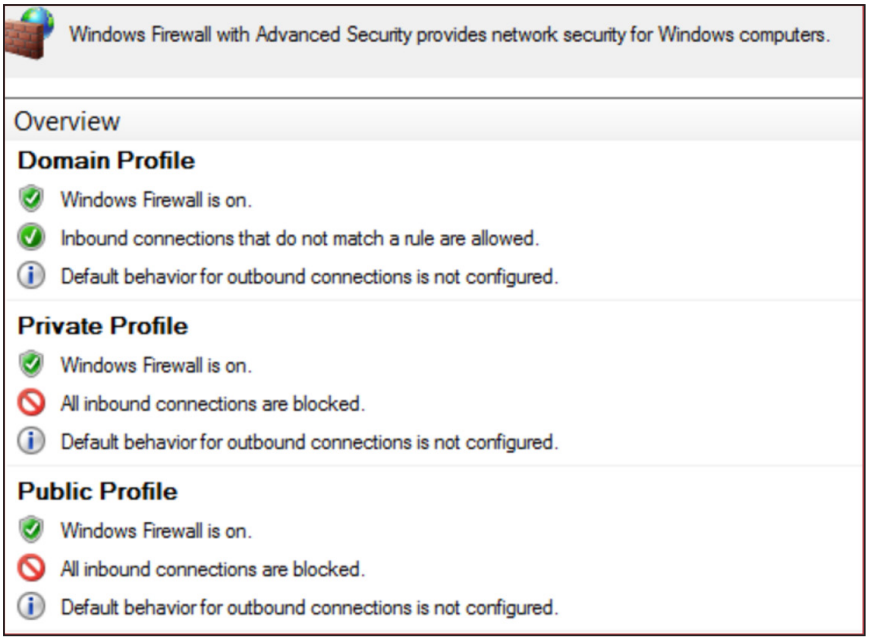
Proactive preparation involves more than just deploying security tools. Key recommendations include establishing an out-of-band incident command and communication platform that operates independently from the corporate identity plane. This ensures that stakeholders and third-party support can coordinate during an attack, even if primary communication channels are compromised. Additionally, organizations should develop operational contingency and recovery plans that outline manual procedures for critical business functions. This enables continuity during restoration or rebuild efforts. Regular drills and scenario testing help refine these plans. Another crucial step is to enforce strict endpoint and mobile device management (MDM) policies to prevent abuse or misuse of these platforms. By integrating crisis preparation into security governance, companies create a living resilience posture that adapts to evolving threats.
What Detection Opportunities Exist Beyond Standard Security Tools?
Standard endpoint and network security tools use signatures and heuristics to detect malicious activity, but they may miss novel threats. Custom detection opportunities focus on threat actor behaviors rather than known indicators. For example, monitoring for unusual deviations from normal patterns—such as unexpected mass file deletions, anomalous process creation, or abnormal network traffic—can trigger alerts. These custom detections are most effective when correlated to specific TTPs (tactics, techniques, and procedures) used in destructive campaigns. Effective monitoring requires a deep understanding of your organization’s unique environment and pre-established baselines. By supplementing existing tools with behavior-based monitoring, organizations can spot early signs of reconnaissance, privilege escalation, lateral movement, or the final destructive phase, enabling a faster response.

How Does Organizational Resilience Go Beyond Technical Controls?
While technical controls like firewalls and endpoint protection are vital, true resilience also depends on crisis preparation and orchestration. This includes establishing an out-of-band communication platform completely decoupled from corporate identity systems—ensuring that incident response teams can communicate securely even if the primary network is down. Additionally, having well-defined operational contingency and recovery plans that include manual procedures for essential business functions is critical. These plans should be tested regularly and updated based on lessons learned. Incorporating crisis management into security governance fosters a living resilience posture that adapts to changing threats. It also helps align technical recovery efforts with business continuity requirements, ensuring that restoration efforts prioritize the most critical functions and minimize downtime.
What Additional Guidance Is There for Endpoint and MDM Platforms?
As of March 2026, updated guidance emphasizes the need to protect against abuse or misuse of endpoint and mobile device management (MDM) platforms. Threat actors may exploit these management tools to deploy destructive payloads across a fleet of devices at scale. Organizations should enforce strict access controls on MDM consoles, monitor for unauthorized configuration changes, and implement least-privilege principles for administrative accounts. Additionally, enable logging for all management actions and set up alerts for suspicious activities, such as mass device wipes or unusual profile installations. Regularly audit the list of enrolled devices and remove any that are not actively managed. By hardening the management infrastructure itself, you reduce the attack surface that adversaries could leverage to launch a widespread destructive attack.
Summary: Key Priorities for Protecting Against Destructive Attacks
To summarize, organizations should focus on three pillars: preparation (out-of-band communication, contingency plans), detection (behavior-based custom monitoring), and hardening (endpoint/MDM security). By adopting a proactive, resilience-focused mindset, companies can not only defend against destructive malware but also mitigate other forms of cyberattacks. The goal is to make systems resilient enough to withstand an attack and recover quickly, minimizing data loss and operational disruption. Regular testing, updated baselines, and cross-team coordination are essential to maintaining this posture over time.