How to Safeguard Your Messages with Labyrinth 1.1’s Enhanced Encrypted Backups
Introduction
Imagine losing your phone and with it, years of conversations. For anyone who relies on end-to-end encrypted (E2EE) messaging, backup reliability can be a lifeline. Meta’s Labyrinth protocol was designed to store your Messenger history securely across devices—without anyone, not even Meta, reading your messages. Now, Labyrinth 1.1 takes this a step further: it ensures that messages are saved to your encrypted backup the moment they’re sent, not only when your device comes back online. This means you can switch phones, experience a long sign-in gap, or lose a device and still retrieve your full history. This guide walks you through how to enable and maximize Labyrinth 1.1’s backup reliability on Messenger.
What You Need
- A Meta account (Facebook or Messenger credentials)
- The latest version of the Messenger app (iOS or Android)
- A stable internet connection for initial setup
- A recovery method (PIN or recovery key) to unlock your encrypted backup
- Optional: a second device (phone or tablet) to test message restoration
Step-by-Step Instructions
Step 1: Update Messenger to the Latest Version
Labyrinth 1.1 is rolling out automatically to Messenger users, but you must have the newest version of the app. Open your device’s app store (Google Play or Apple App Store), search for Messenger, and tap Update if available. Once updated, launch the app and sign in with your Meta account. You can verify the update by going to Settings & Privacy > About and checking the version number—look for a build released after the Labyrinth 1.1 announcement.
Step 2: Enable Encrypted Backups in Messenger Settings
By default, encrypted backups may not be turned on. Navigate to your Profile (top-left icon) > Privacy > End-to-End Encrypted Backups. Toggle the switch to On. A prompt will ask you to create a PIN or generate a recovery key—choose the option you prefer. The PIN is a numeric code you memorize; the recovery key is a longer string you can store offline (e.g., in a password manager or written down). This step is critical: without a recovery method, you won’t be able to restore your backup on a new device. Confirm your choice and complete the setup.
Step 3: Understand How Labyrinth 1.1 Handles Your Messages
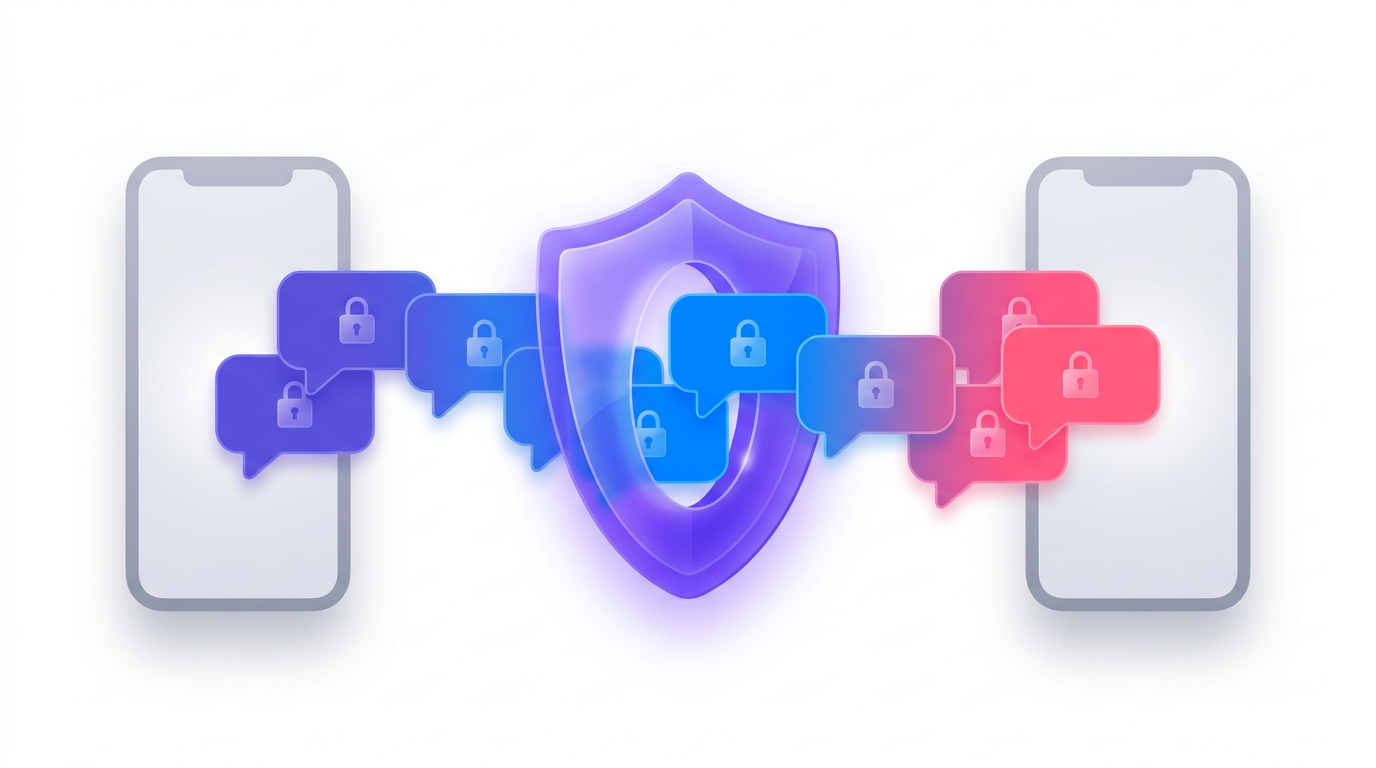
Labyrinth 1.1 introduces a new sub-protocol that changes how messages reach your backup. Previously, Messenger backups only updated when your device was online and syncing. Now, each message is wrapped with a unique encryption key by the sender and placed directly into your encrypted backup—like dropping a sealed envelope into a locked box only you can open. This happens in real-time, even if your device is off or you’re signed out. The result: your backup captures messages as they’re sent, not when you next log in. No party—including Meta—can read the contents. This step requires no action on your part; it’s automatic once encrypted backups are enabled.
Step 4: Verify Your Recovery Method Is Stored Safely
After enabling backups, review your recovery method. If you chose a PIN, confirm you remember it. If you used a recovery key, ensure you have a copy stored securely—away from your device (for example, in a safe or a password manager with two-factor authentication). To check, go back to Settings > Privacy > End-to-End Encrypted Backups. You should see a note like “Backup enabled” and an option to View Recovery Key or Change PIN. Use this to double-check that your key is retrievable. Losing access to your recovery method means you could permanently lose your message history.
Step 5: Test the System by Switching to a New Device (Optional but Recommended)
To experience Labyrinth 1.1's reliability first-hand, sign in to Messenger on another device (e.g., a tablet or a second phone). During setup, choose Restore from backup and enter your PIN or recovery key. The app will fetch your encrypted backup—now including messages that were backed up as they were sent, even if the original device was offline. You should see your entire conversation history, including the most recent messages. This step confirms that your backup is working and that the new sub-protocol is active. If you notice any gaps, ensure both devices have the latest Messenger version and that the backup toggle is enabled on your primary device.
Tips for Maximum Reliability
- Keep your recovery method offline. Store your recovery key in a physical location (e.g., a fireproof safe) or a trusted password manager. Never share it over email or social media.
- Update Messenger regularly. Labyrinth 1.1 is a server-side and client-side update; future improvements may require app updates. Turn on automatic updates in your app store settings.
- Monitor your backup status. Occasionally check the End-to-End Encrypted Backups settings to ensure it still says “Backup enabled.” If you see an error, try toggling the feature off and on again.
- Use a strong, unique PIN. If you use a PIN, avoid common sequences (e.g., 1234). Choose a 6-digit code that’s meaningful but not easily guessed.
- Test your recovery before you need it. As described in Step 5, restore on a spare device every few months to catch any issues early.
- Understand the limits. Labyrinth 1.1 improves backup reliability for messages sent after you enable the feature. Older messages that were not previously backed up may still be missing if you lost your device before enabling encrypted backups.
By following these steps, you leverage Labyrinth 1.1’s sub-protocol to keep your message history safe across device changes, long sign-in gaps, or lost phones. As Meta states, “Good security should always be invisible”—and with this guide, your encrypted backups work quietly in the background, preserving your conversations without any extra effort.
For further technical details, refer to the updated white paper, “The Labyrinth Encrypted Message Storage Protocol”.