The Smart Guide to Choosing a Portable Battery Bank: Why Compact Power Wins
When you’re looking for a portable battery bank, it’s tempting to grab the biggest capacity you can find. But bigger isn’t always better—especially when you’re on the go. Smaller battery banks are often more practical, lighter, and surprisingly capable. This guide will walk you through the key steps to selecting the perfect portable power companion, showing you why a compact option might be your best bet.
What You Need
- Your devices (smartphone, tablet, earbuds, etc.) and their battery capacities (mAh).
- Typical usage habits – How often do you need a recharge away from home?
- Preferred carry style – Pocket, bag, or backpack?
- Charging requirements – Do you need fast charging or multiple device support?
- Budget – How much are you willing to spend?
Step-by-Step Guide to Choosing a Smaller Battery Bank
Step 1: Assess Your Actual Power Needs
Before you buy, calculate how much backup power you truly need. A 10,000 mAh bank can fully charge most smartphones two to three times. Tablets may require more, but for daily use, a smaller capacity is often sufficient. Check your device’s battery size and your typical consumption. If you’re rarely away from outlets for more than a day, a 5,000–10,000 mAh bank is plenty.
Step 2: Prioritize Portability and Weight
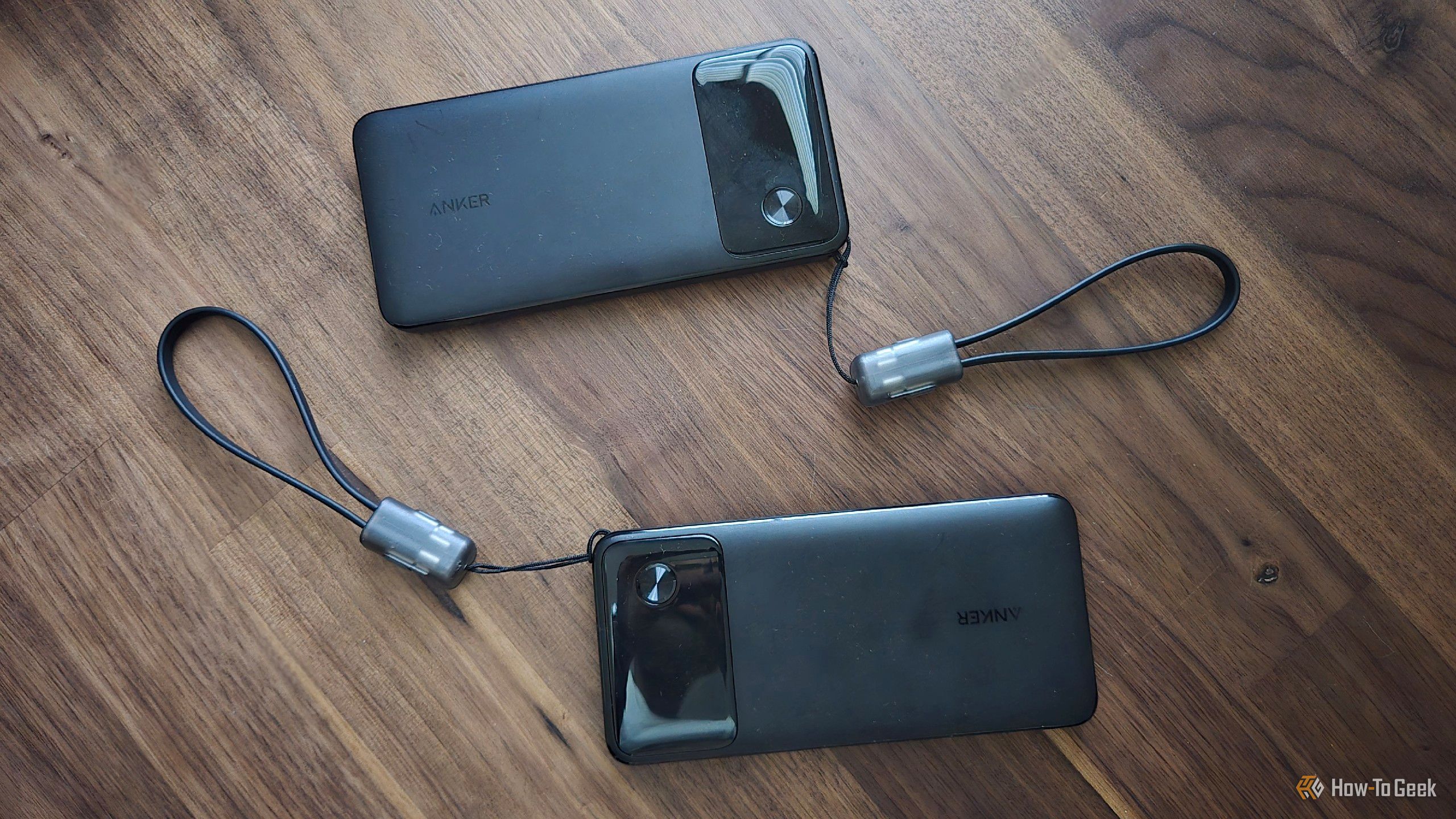
Smaller banks are significantly lighter and more pocket-friendly. A 20,000 mAh bank can weigh over a pound, while a 5,000 mAh unit may be under 5 ounces. If you’re hiking, commuting, or traveling light, that weight savings makes a huge difference. Portability is the biggest advantage of a compact battery. You’ll actually carry it with you, rather than leaving a bulky brick at home.
Step 3: Consider Charging Speed
Smaller batteries often charge faster because they have less capacity to fill. Many compact banks support USB-C Power Delivery (PD) or Qualcomm Quick Charge, giving you a quick top-up. Larger banks may take hours to recharge themselves. For speed and convenience, a smaller bank that uses pass-through charging can be ideal.

Step 4: Think About Daily Carry Convenience
You’re more likely to grab a slim battery bank that slips into a pocket or small pouch. Larger banks are cumbersome and often require a dedicated bag compartment. Convenience means you’ll have power when you need it. For urban commuters or day-trippers, a small bank that fits alongside your phone is a game-changer.
Step 5: Evaluate Cost-Effectiveness
Smaller battery banks are generally cheaper, but that doesn’t mean they’re less valuable. Compare cost per mAh and features. You may find that a 10,000 mAh bank with fast charging is a better value than a 20,000 mAh slow-charging brick. Plus, if you lose or damage a smaller bank, it’s less of a financial hit.
Tips for Getting the Most from Your Compact Battery Bank
- Check the output ports: Ensure at least one high-speed output (USB-C or USB-A with Quick Charge) matches your device.
- Look for low-power trickle charge: Good for charging earbuds or watches without overheating.
- Consider a built-in cable: Some small banks include a short cable—super handy for travel.
- Don’t ignore capacity rating: Real-world output is about 60-70% of rated mAh due to conversion losses. Factor that in.
- Match the bank size to your lifestyle: A tiny 3,000 mAh bank is perfect for an emergency phone boost; a 10,000 mAh bank works for a full day away.
With these steps, you can confidently choose a portable battery bank that fits your needs without overcomplicating your pack. Remember, smaller is often smarter—giving you exactly the power you need, exactly when you need it.